
143 lines
7.3 KiB
Markdown
143 lines
7.3 KiB
Markdown
|
|
> Name
|
|
|
|
基于RSI动量指标的自适应交易策略-Adaptive-Trading-Strategy-Based-on-RSI-Momentum-Indicator
|
|
|
|
> Author
|
|
|
|
ianzeng123
|
|
|
|
> Strategy Description
|
|
|
|
|
|
|
|
|
|
|
|
|
|
|
|
[trans]
|
|
#### 概述
|
|
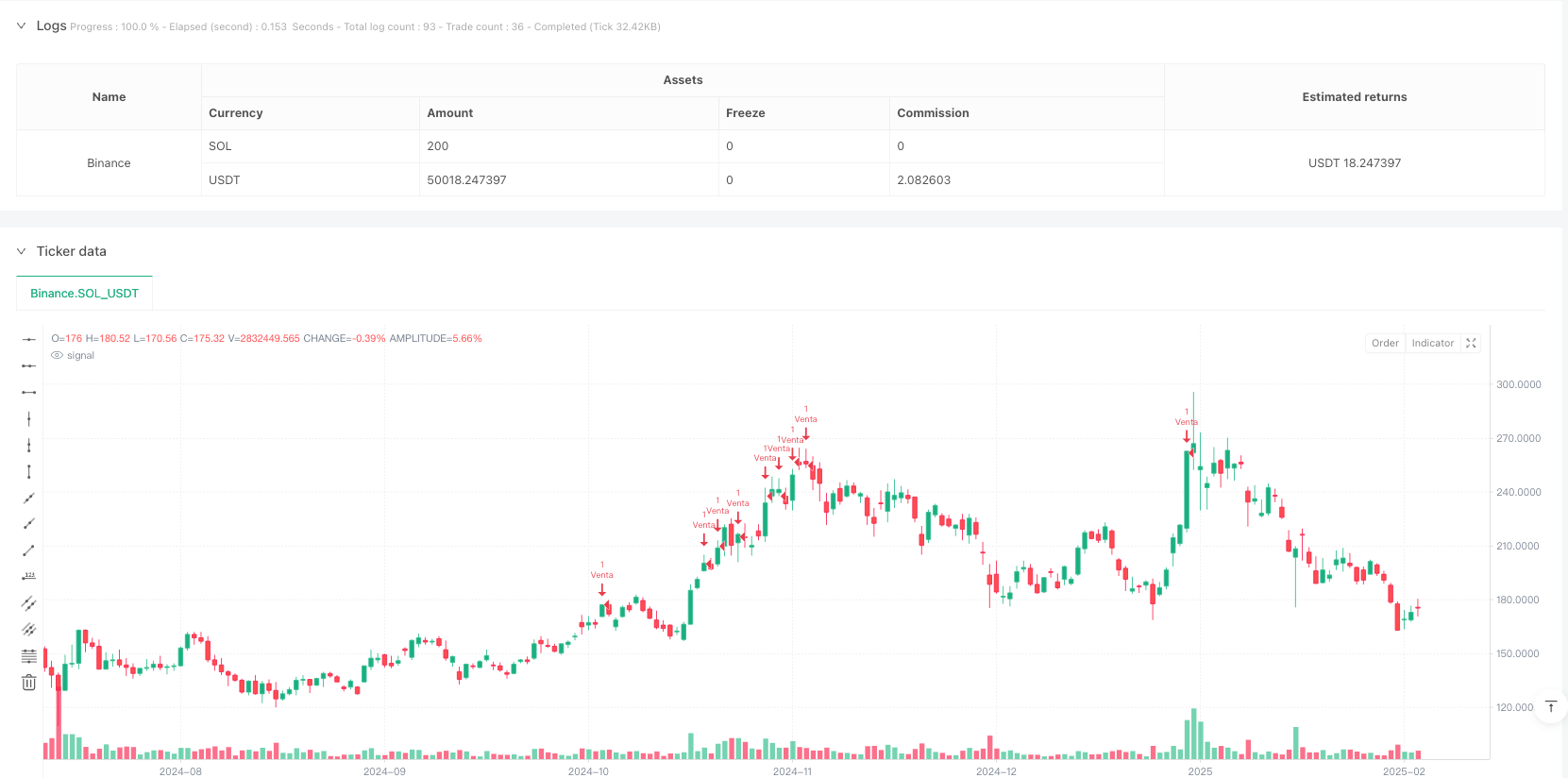
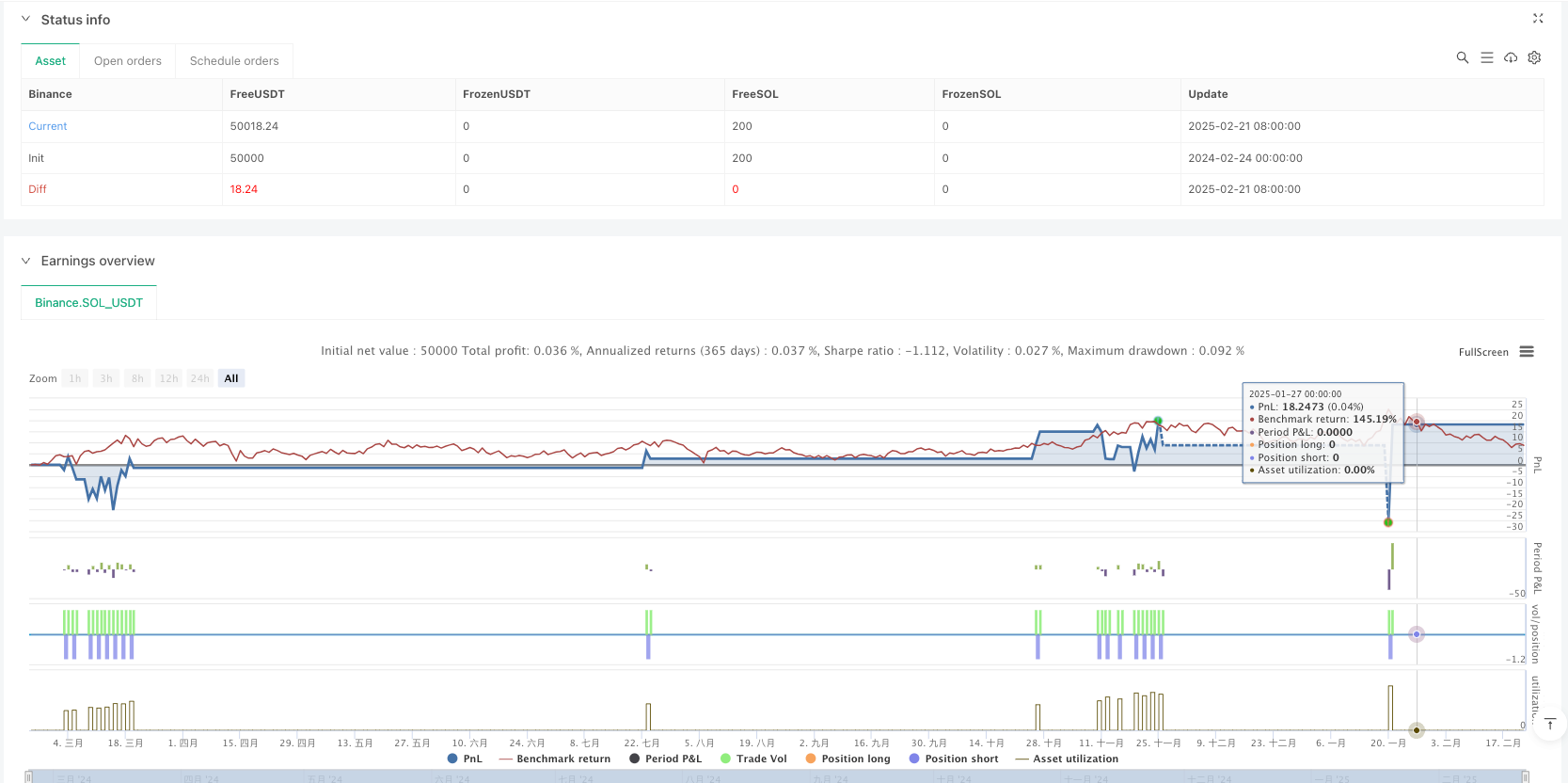
该策略是一个基于相对强弱指数(RSI)的动量交易系统,通过识别市场超买超卖状态来进行交易。策略采用固定百分比的止损和获利目标,实现风险收益的自动管理。系统在15分钟时间周期上运行,适用于具有良好流动性的交易品种。
|
|
|
|
#### 策略原理
|
|
策略的核心是利用RSI指标来识别市场的超买超卖状态。当RSI低于30时,表明市场可能过度卖出,系统会开立多头仓位;当RSI高于70时,表明市场可能过度买入,系统会开立空头仓位。每笔交易都设置了基于入场价格的固定百分比止损(0.2%)和获利目标(0.6%),以实现风险管理的自动化。
|
|
|
|
#### 策略优势
|
|
1. 操作规则明确:使用广受认可的RSI指标,交易信号清晰,便于理解和执行
|
|
2. 风险管理完善:采用固定比例的止损和获利设置,有效控制每笔交易的风险
|
|
3. 自动化程度高:从入场到出场的整个交易过程都是自动化的,减少人为干预
|
|
4. 适应性强:策略可以适用于不同的交易品种,具有良好的普适性
|
|
5. 计算效率高:使用基本的技术指标,计算负担小,适合实时交易
|
|
|
|
#### 策略风险
|
|
1. 震荡市场风险:在横盘震荡市场中,可能产生频繁的假信号
|
|
2. 趋势突破风险:固定的止损位可能在强趋势中被轻易触及
|
|
3. 参数敏感性:RSI周期和阈值的设置对策略性能影响较大
|
|
4. 滑点风险:在市场波动较大时,实际执行价格可能与预期有偏差
|
|
5. 系统性风险:在市场剧烈波动时可能遭受较大损失
|
|
|
|
#### 策略优化方向
|
|
1. 引入趋势过滤器:结合移动平均线等趋势指标,降低假信号
|
|
2. 动态止损设置:根据市场波动性自动调整止损幅度
|
|
3. 优化入场时机:增加成交量等辅助指标,提高入场准确性
|
|
4. 资金管理优化:引入动态仓位管理,根据账户净值和市场波动调整交易规模
|
|
5. 增加时间过滤:避免在重要新闻发布等高波动时期交易
|
|
|
|
#### 总结
|
|
这是一个结构完整、逻辑清晰的自动化交易策略。通过RSI指标捕捉市场超买超卖机会,配合固定比例的风险管理方案,实现了交易过程的完全自动化。策略的主要优势在于操作规则清晰、风险可控,但也需要注意市场环境对策略表现的影响。通过建议的优化方向,策略还有进一步提升的空间。 ||
|
|
|
|
#### Overview
|
|
This strategy is a momentum trading system based on the Relative Strength Index (RSI), which executes trades by identifying overbought and oversold market conditions. The strategy employs fixed percentage stop-loss and take-profit targets for automated risk-reward management. The system operates on a 15-minute timeframe and is suitable for instruments with good liquidity.
|
|
|
|
#### Strategy Principles
|
|
The core of the strategy utilizes the RSI indicator to identify overbought and oversold market conditions. When RSI falls below 30, indicating potential oversold conditions, the system opens a long position; when RSI rises above 70, indicating potential overbought conditions, it opens a short position. Each trade is managed with fixed percentage-based stop-loss (0.2%) and take-profit (0.6%) levels, automating risk management.
|
|
|
|
#### Strategy Advantages
|
|
1. Clear Operating Rules: Uses the widely recognized RSI indicator, providing clear trading signals that are easy to understand and execute
|
|
2. Comprehensive Risk Management: Employs fixed-ratio stop-loss and take-profit settings, effectively controlling risk for each trade
|
|
3. High Automation Level: The entire trading process from entry to exit is automated, reducing human intervention
|
|
4. Strong Adaptability: Strategy can be applied to different trading instruments with good universality
|
|
5. High Computational Efficiency: Uses basic technical indicators, minimizing computational load for real-time trading
|
|
|
|
#### Strategy Risks
|
|
1. Sideways Market Risk: May generate frequent false signals in range-bound markets
|
|
2. Trend Breakout Risk: Fixed stop-loss levels may be easily triggered during strong trends
|
|
3. Parameter Sensitivity: Strategy performance is highly dependent on RSI period and threshold settings
|
|
4. Slippage Risk: Actual execution prices may deviate from expected levels during high volatility
|
|
5. Systematic Risk: May incur significant losses during extreme market conditions
|
|
|
|
#### Optimization Directions
|
|
1. Introduce Trend Filters: Incorporate moving averages or other trend indicators to reduce false signals
|
|
2. Dynamic Stop-Loss Setting: Automatically adjust stop-loss levels based on market volatility
|
|
3. Optimize Entry Timing: Add volume and other auxiliary indicators to improve entry accuracy
|
|
4. Money Management Optimization: Implement dynamic position sizing based on account equity and market volatility
|
|
5. Add Time Filters: Avoid trading during high-volatility periods such as major news releases
|
|
|
|
#### Summary
|
|
This is a well-structured, logically sound automated trading strategy. It captures market overbought and oversold opportunities through the RSI indicator, coupled with fixed-ratio risk management for complete trading automation. The strategy's main advantages lie in its clear operational rules and controllable risk, though market conditions significantly impact its performance. Through the suggested optimization directions, there is room for further strategy enhancement.[/trans]
|
|
|
|
|
|
|
|
> Source (PineScript)
|
|
|
|
``` pinescript
|
|
/*backtest
|
|
start: 2024-02-24 00:00:00
|
|
end: 2025-02-22 08:00:00
|
|
period: 1d
|
|
basePeriod: 1d
|
|
exchanges: [{"eid":"Binance","currency":"SOL_USDT"}]
|
|
*/
|
|
|
|
//@version=5
|
|
strategy("MultiSymbol Smart Money EA without Lot Sizes or Pairs", overlay=true)
|
|
|
|
// Strategy Parameters for RSI
|
|
RSI_Period = input.int(14, title="RSI Period", minval=1)
|
|
RSI_Overbought = input.float(70, title="RSI Overbought")
|
|
RSI_Oversold = input.float(30, title="RSI Oversold")
|
|
|
|
// Fixed values for Stop Loss and Take Profit in percentage
|
|
FIXED_SL = input.float(0.2, title="Stop Loss in %", minval=0.0) / 100
|
|
FIXED_TP = input.float(0.6, title="Take Profit in %", minval=0.0) / 100
|
|
|
|
// RSI Calculation
|
|
rsi = ta.rsi(close, RSI_Period)
|
|
|
|
// Buy and Sell Conditions based on RSI
|
|
longCondition = rsi <= RSI_Oversold
|
|
shortCondition = rsi >= RSI_Overbought
|
|
|
|
// Entry Price
|
|
longPrice = close
|
|
shortPrice = close
|
|
|
|
// Execute the trades
|
|
if (longCondition)
|
|
strategy.entry("Buy", strategy.long)
|
|
|
|
if (shortCondition)
|
|
strategy.entry("Sell", strategy.short)
|
|
|
|
// Set Stop Loss and Take Profit based on entry price and percentage
|
|
if (strategy.position_size > 0) // If there is a long position
|
|
longStopLoss = longPrice * (1 - FIXED_SL)
|
|
longTakeProfit = longPrice * (1 + FIXED_TP)
|
|
strategy.exit("Exit Buy", from_entry="Buy", stop=longStopLoss, limit=longTakeProfit)
|
|
|
|
if (strategy.position_size < 0) // If there is a short position
|
|
shortStopLoss = shortPrice * (1 + FIXED_SL)
|
|
shortTakeProfit = shortPrice * (1 - FIXED_TP)
|
|
strategy.exit("Exit Sell", from_entry="Sell", stop=shortStopLoss, limit=shortTakeProfit)
|
|
|
|
|
|
```
|
|
|
|
> Detail
|
|
|
|
https://www.fmz.com/strategy/483518
|
|
|
|
> Last Modified
|
|
|
|
2025-02-27 16:47:25
|